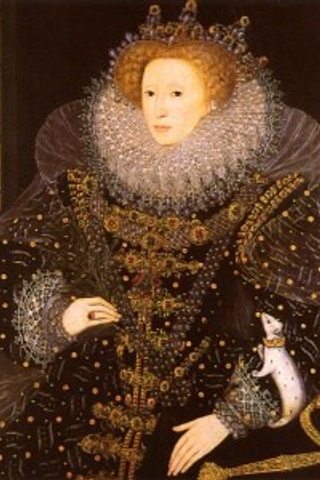
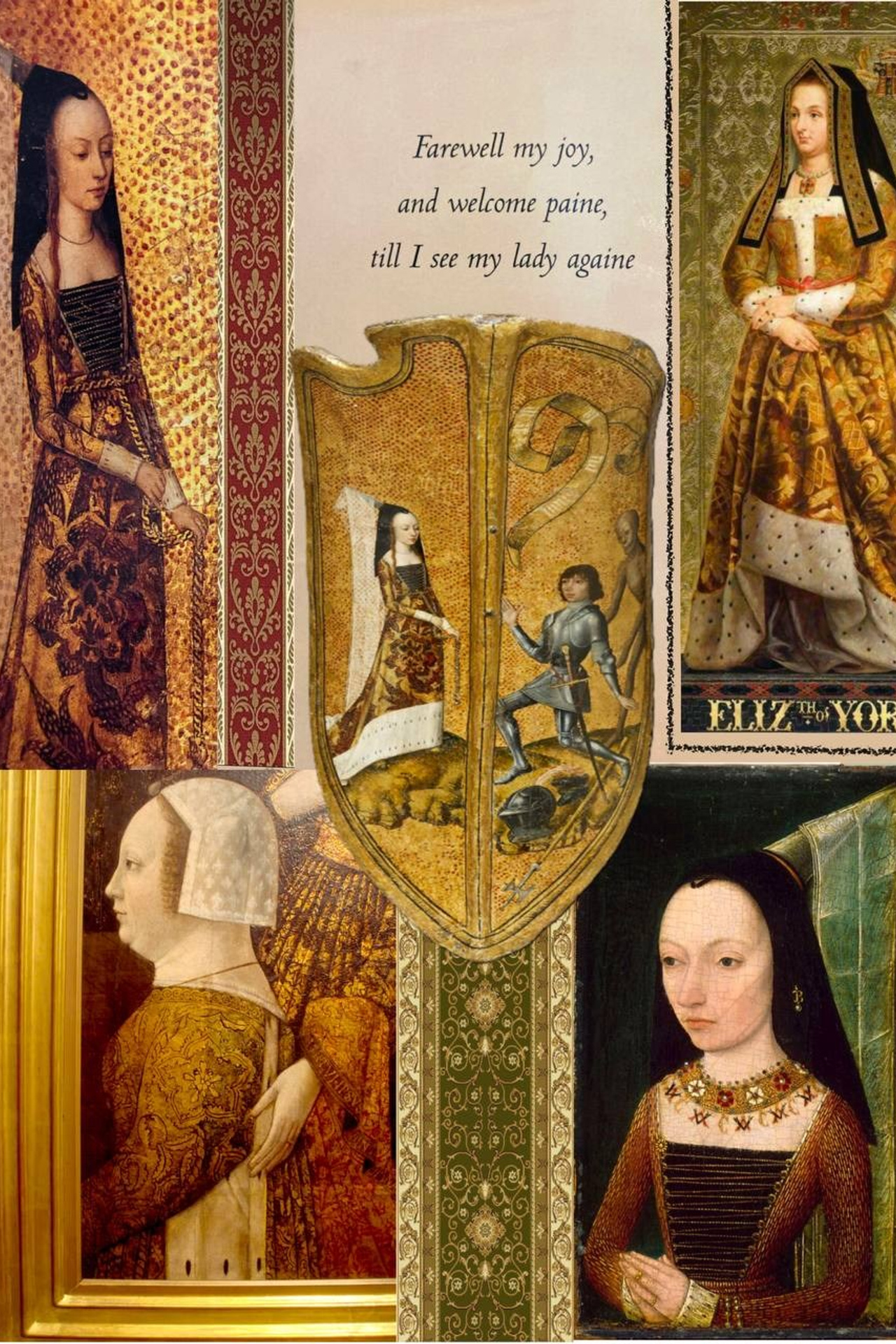
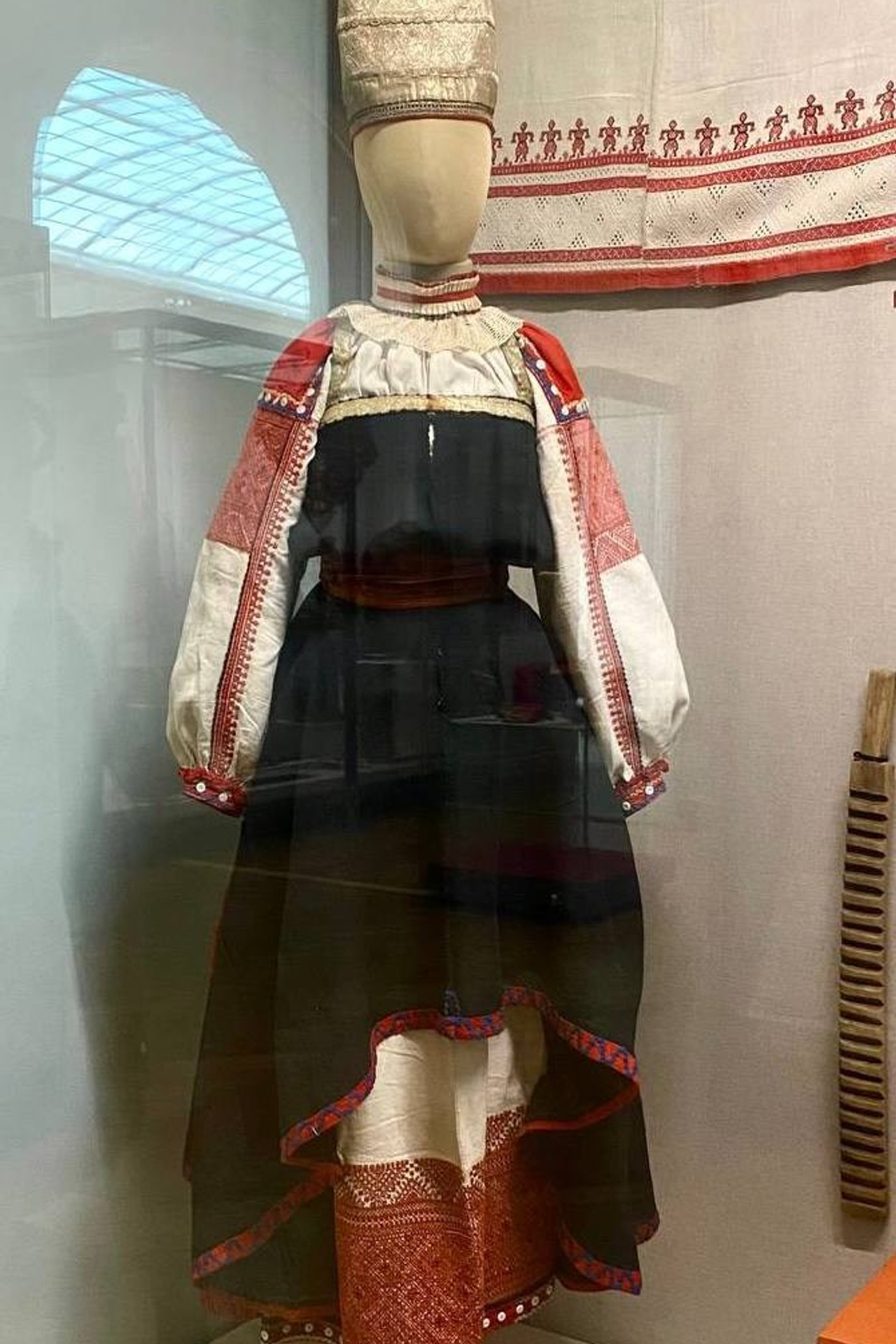
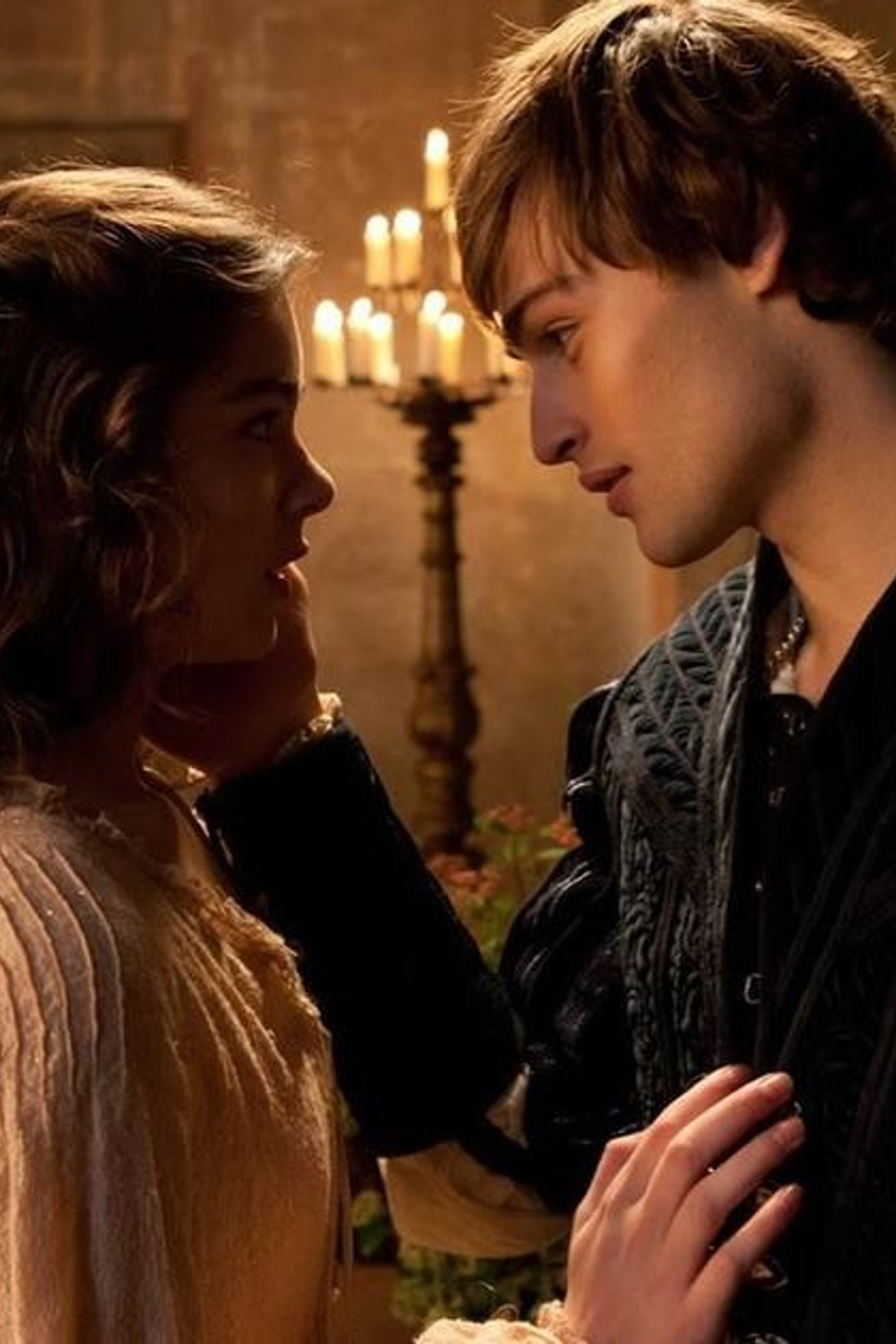
Even an ancient text, an opera, or a work can be interpreted in a modern light without distorting the author’s intent or mocking the author’s presentation of the work.
I don’t believe that “exposure” is a good thing in terms of innovation. It does develop taste, but it in no way develops one’s own vision. It only gives the opportunity to see through the prism of someone else’s worldview. And isn’t it rather pitiful to put the possibility of generating new ideas through exposure above the possibility of discovering them on one’s own? The best thing that can serve as a source for generating one’s own ideas is inspiration from the outside, coming from within. And if it is associated with ready‑made solutions and skips over the motive of perception, directing our attention straight to the result, then this blocks the freedom of vision, and what we end up with is plagiarism, ordinary familiarity with the subject matter, which produces only yet another product, similar to any previous one.
For me, theater is a higher form of art than cinema precisely because it has fewer resources. The audience has the opportunity to fill in a lot of the gaps. They reconstruct the world based on the set design, rather than accepting it as it is, seeing the image on the screen. The same applies to working on these art forms. In my understanding, creativity is precisely about resourcefulness, about expanding the unexpandable. The film industry has far more opportunities, if only because it is a kinetic, temporal art form; its scope is broader, and accordingly, achieving its goals is done with greater freedom of choice, whereas in the theatre, much more is created from scratch. In this way, film is similar to photography, while theatre is similar to painting.
I liked Josef Svoboda’s idea that all means of artistic expression — that is, tools such as costumes and set design — should be expressed through the philosophy of the text and serve that philosophy. If we compare the theatre to a living organism, the means of artistic expression are more like organs than full‑fledged organisms. In the theatre, they are so scaled up that they are often perceived as finished works of art, which receive no less attention than the concept of the theatrical production. However, art exists primarily at the level of holistic perception, at the level of the impression it makes, rather than at the level of analyzing it into its constituent parts. Therefore, integrity is important in any form of art, especially when you are creating something new.
This is what distinguishes the tasks of an artist in the visual arts from those in film and theatre. You move and adapt your own vision, and sometimes you bypass it altogether, in order to achieve the overall goal of a film or theatrical production. To introduce something new, this innovation must fit into the overall picture you are working on. You can’t make flashy red costumes in an old opera, or, conversely, modernize the speech and stage the opera in old costumes.
Next, I believe it is important to address the issue of the very embodiment of a new idea in art. The main thing to start with is to explain that the “theory of means” does not work. You cannot create a good opera by starting from the idea itself, or write a good book out of a desire to publish it. This is a common problem in contemporary art: art exists “from something, ” not “for something.” First, there must be content. Then the form comes. However, the question of form is far from being something that is not worth paying attention to. On the contrary, the problem of form is the most important in human life, for it encompasses the issue of space, time, and information, and also limits the means of transmitting them.
Form, no matter how paradoxical it may sound, is also freedom. And all because chaos is too unbearable for our human nature, and when it takes shape, we feel like creators of everything we bring into it. The absence of form is mistakenly compared to free‑thinking. This is actually more akin to chaos, which always strives to take shape due to its mathematical nature. Our life is also a form. It might seem lowly — instead of diving headfirst into creative work, periodically surfacing and working on the form. To tear yourself away from writing, reread, and notice that the plot thread is getting lost, the idea is not precise, and one chapter is 5–6 times longer than another. To tear yourself away from the inspired sewing of a new dress and think about the concept of the collection, about where and for whom it will be exhibited. To detach oneself from the vibrant flow of life and reflect on whether I’ve accomplished everything, whether I’m working on what I still want to achieve, what part of my life I’ve lived, and how consciously. Maybe it’s worth…
Form is a help. It’s a path to avoid getting lost. We are free to do whatever we want, but free‑thinkers who are knowledgeable and wise always adhere to form. Just as the soul adheres to the body to live, all living things adhere to form to exist. Mixed form is complex, but beautiful. It both allows more and restricts even more, for the concise combination of two spheres is very difficult, and sometimes even impossible.
As we get older, new possibilities for scaling forms come to mind. This happens organically, naturally. And all because we gain an understanding of the bigger picture. Life is comparable to writing a book. The book itself is, first and foremost, a composition. But we only gain an understanding of composition when we have accumulated enough content to be able to shape it into a certain idea and develop a form for it. In terms of its composition, the book consists of excerpts, echoes, letters, memories, and reflections, all united by a common idea—and a dynamic, living one at that, for the transmission of information is also a kind of movement, and if the information is transmitted skillfully, a book is the result. The same is true in life: we don’t know how everything will turn out, who we will become, what we will convey, or what we will manage to realize; at first, we endlessly process and rework everything through ourselves until we develop a clear filter for what we accept as part of ourselves and what we do not.
But let’s return to art. Most methods of perceiving art information are visual. Symbolic, figurative, and pictorial perception — it’s a mistake to think that it’s unreliable. Often, it’s even more profound. But the main method of art’s influence is, of course, visual. The strength of the impact doesn’t necessarily equal the depth of the impact. We may be deeply impressed by a painting whose plot we don’t understand at all, or we may contemplate a canvas for a long time and reflectively, leaving it with a rich store of thoughts for months to come, but without any real impression.
Over time, the methods of influencing the viewer change. The truth, as always, lies in the ability to combine them skillfully. The horizons of our time provide us with a sufficient breadth of vision to make proper use of them. But just as one should not overdo it with the fleeting preferences of one’s time, it is also wrong to assume that the old masters possessed greater methods of influencing the viewer. As Josef Svoboda wrote, “I believe this is correct: it is necessary to see things from different perspectives, but at that time… However, let’s not forget that hundreds of years ago, Shakespeare was performed in a manner that is unacceptable today, with exaggerated gestures and a complete lack of psychological depth.” Each time is unique in its own way. Based on this, a genius must necessarily also include a genius of the era: how to implement an idea competently, usefully, and profitably.
For example, high fashion is currently perceived as an exaggeration, ostentatiousness, and extravagance, but it’s not for everyone, and this concept has arisen only because we live in a world where beauty is not accessible to everyone. But in reality, there’s nothing wrong with it. And to be able to present this idea correctly to a wide audience means, based on the needs of today’s consumer and the possibilities of the current era, to present to the world, first and foremost, the idea of beauty, to instill the notion that beauty in this unique field is paramount.The remaining task, of course, is to convey this beauty to the viewer. This is where the artist’s skill lies, whether you are a musician, a dancer, a director, or a writer. First and foremost, you are an artist, for you convey beauty to the viewer. Josef Svoboda touched upon a similar theme:
“I belong to the old school and believe that there is now excessive specialization, just as in medicine. But even in medicine, first and foremost, one must obtain a degree in general medicine. And then one can specialize. For me, in the theater, the equivalent of a general medicine doctor is an architect. For you, perhaps, it’s an artist. Or a sculptor. But then study one of these disciplines from A to Z, becoming truly mature masters so that you can develop your own method.” Only in this way will you achieve a deep understanding of the importance of the laws that govern this discipline and be able to convey the spiritual essence of a work of art, its internal logic. And you can only study this now, while you are young and just mastering the profession.
“And, finally, being an artist does not always mean being a creator. An artist merely conveys an idea. Perhaps they reinterpret it. A creator also creates it, nurtures it within themselves, gives birth to it. You can’t just become a creator. First, you study, and in one way or another you develop your visual awareness, and when you’re ready to abandon it and forget everything you’ve seen, you’ll be on your way to creating something completely new.
My first drawing teacher always said: ‘You learn so that one day you can forget.’
I’ll end with Joseph’s words on this topic: ‘Every artistic form is governed by laws that you need to know in order to achieve the maximum: when these laws are known, you can decide to change them, but then you need to be able to create new laws! ’”


The book that brought together nearly half a century and described almost the whole truth